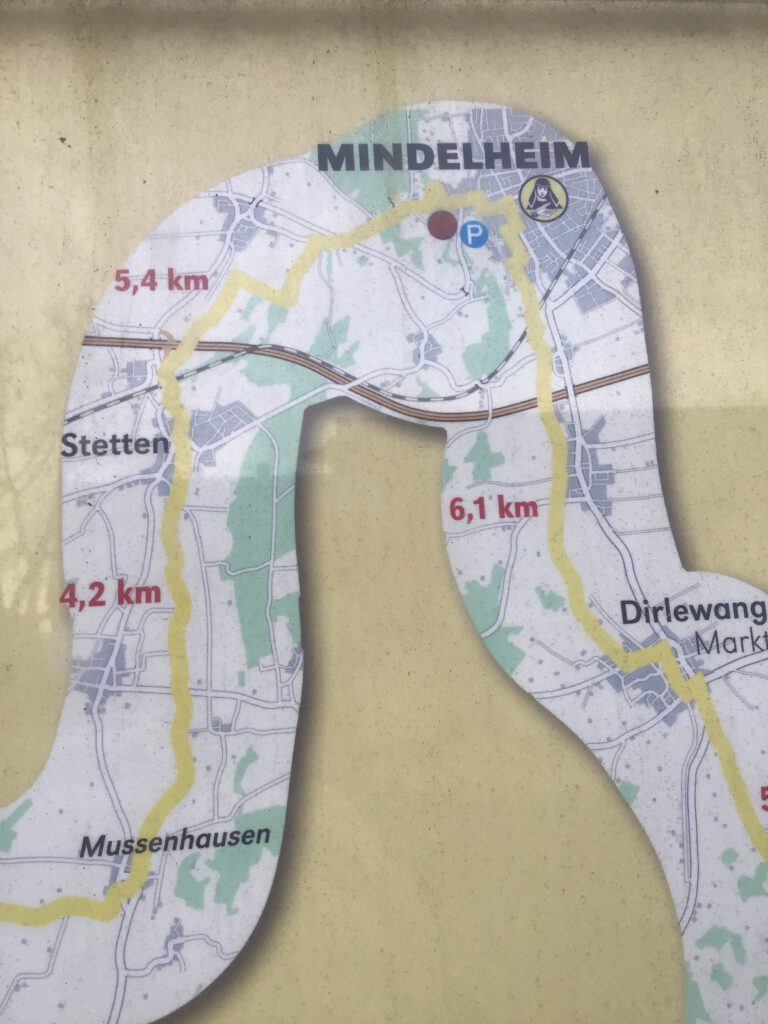
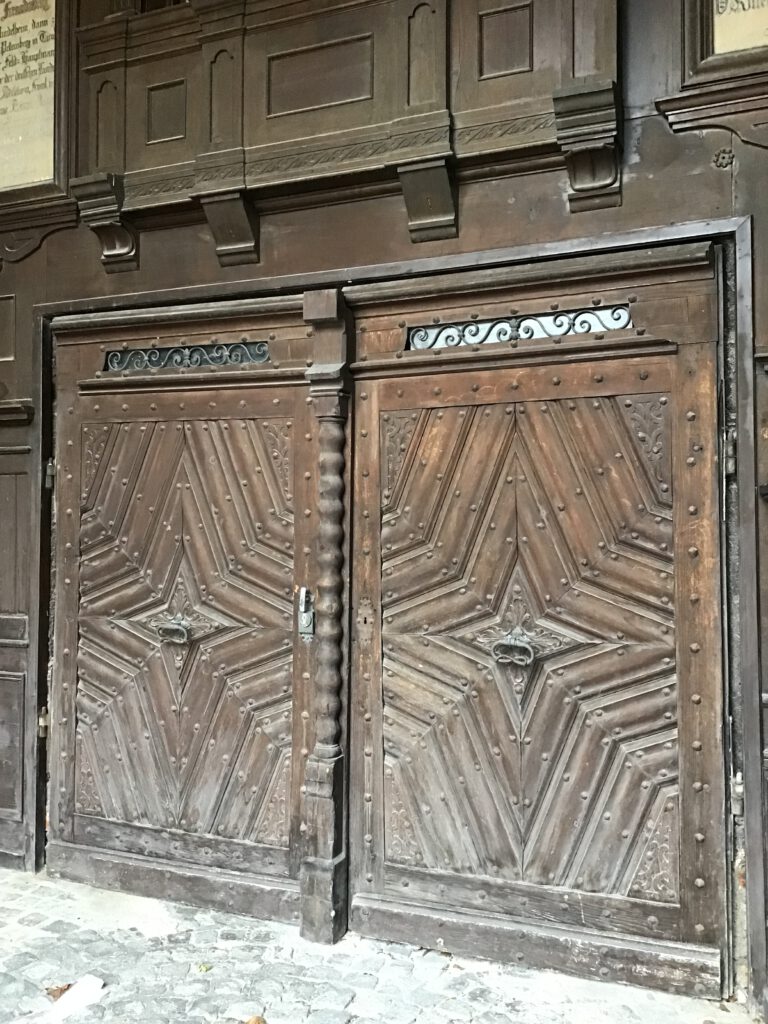
Mindelheim – Bad Wörishofen – Irsee – Kaufbeuren – Landsberg am Lech – Dießen – Bernried – Starnberg – Hersching – Landsberg am Lech
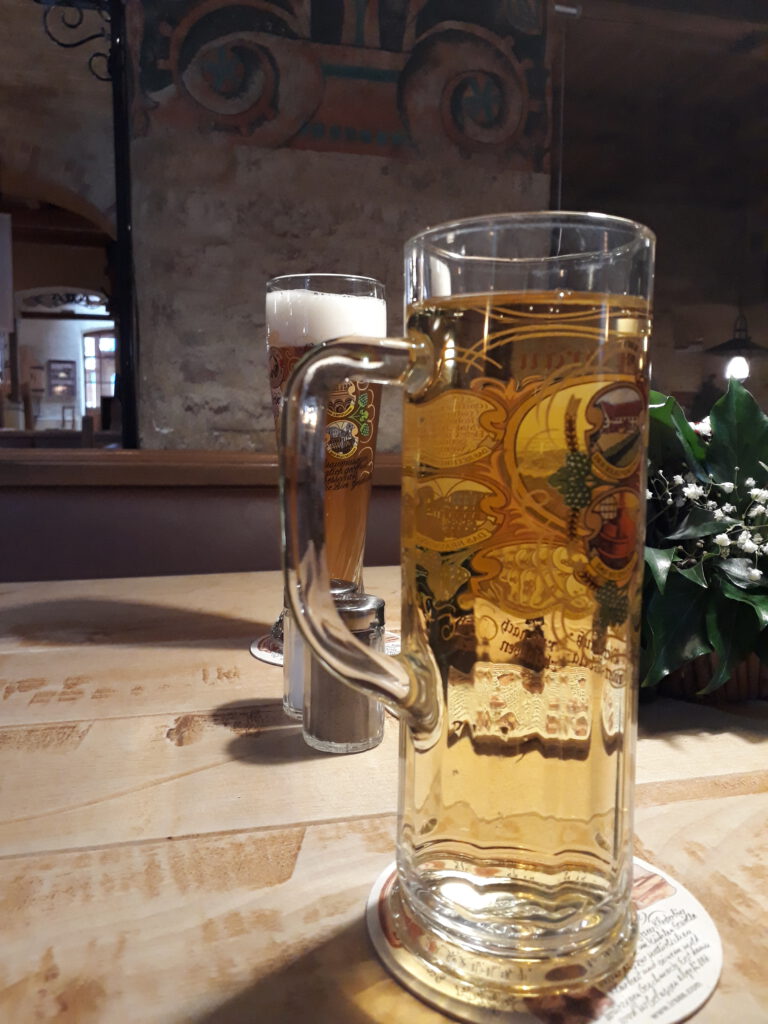
Mindelheim – sehr zu empfehlen das Hotel Kunstmühle. Der Bach fließt unter dem Gasthof hindurch. Im äußerst gemütlichen Restaurant verströmen das Holz und die alten Antriebseinheiten und -räder der Kornmühle eine coole Atmosphäre.
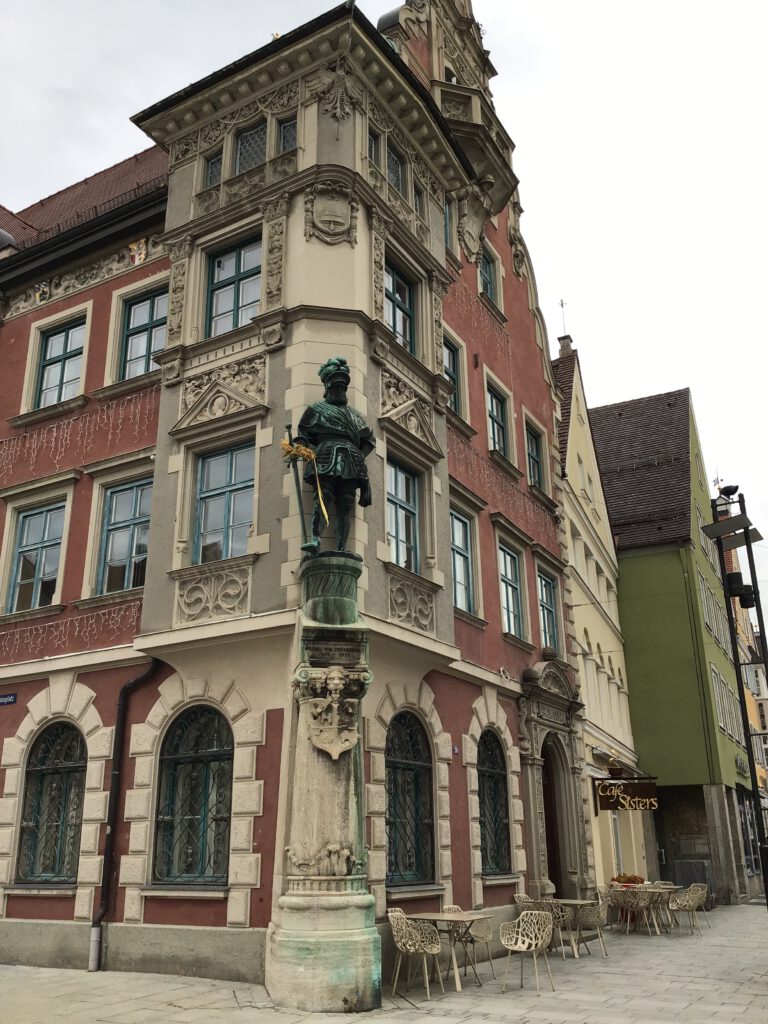
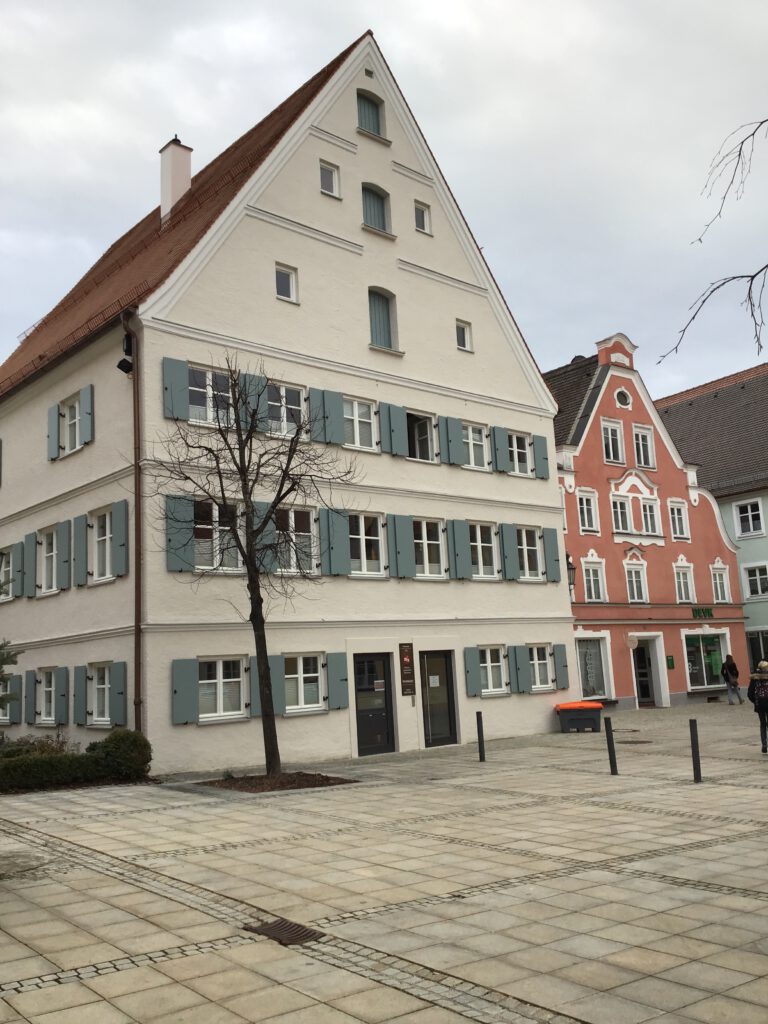
Von der Kunstmühle aus ist es nur ein Katzensprung in die Altstadt von Mindelheim. Sie gefällt durch die schönen Bürgerhäuser und das tolle Rathaus.
Am Rathaus: Georg von Fundsberg
Rund um Mindelheim gibt es zahlreiche Wanderwege.
Wanderung zur Mindelburg
Mindelburg – eine trutzige Burg auf dem Bergrücken- Hier wohnte einst der Schorsch der Landsknechte:
Georg von Frundsberg gilt als der „Vater der Landsknechte“. Er verstarb im Sommer 1528 auf der Mindelburg. Bereits im frühen 16. Jahrhundert war der militärische Ruf der deutschen Landsknechte mit dem der Schweizer Reisläufer vergleichbar.
Auf Kneipps Spuren – Bad Wörishofen
Da das Wetter trüb war und kein Schnee lag, machte das Kurbad einen wenig erbaulichen Eindruck. Zudem war Anfang Januar vieles noch im weihnachtlichen Ferienzustand. Auf dem Krippenweg ging es durch den Kneipp-Ort…..insgesamt wirkt der Ort schon angestaubt.
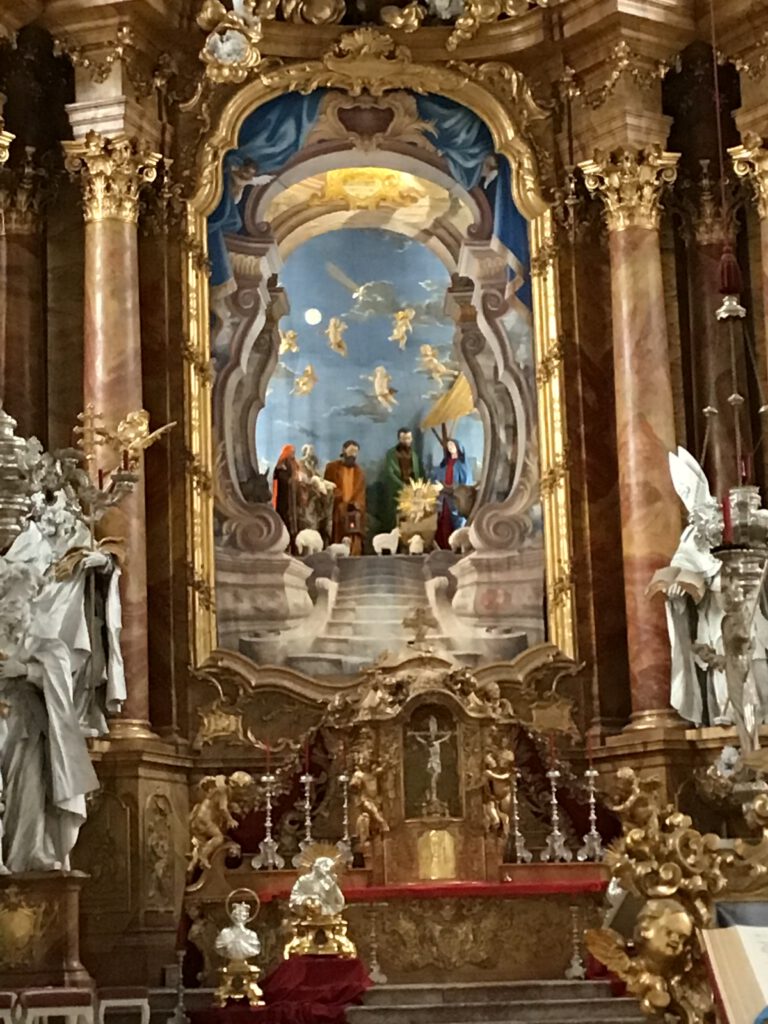
Von der räumlichen Tiefe her eine der schönsten Krippen…
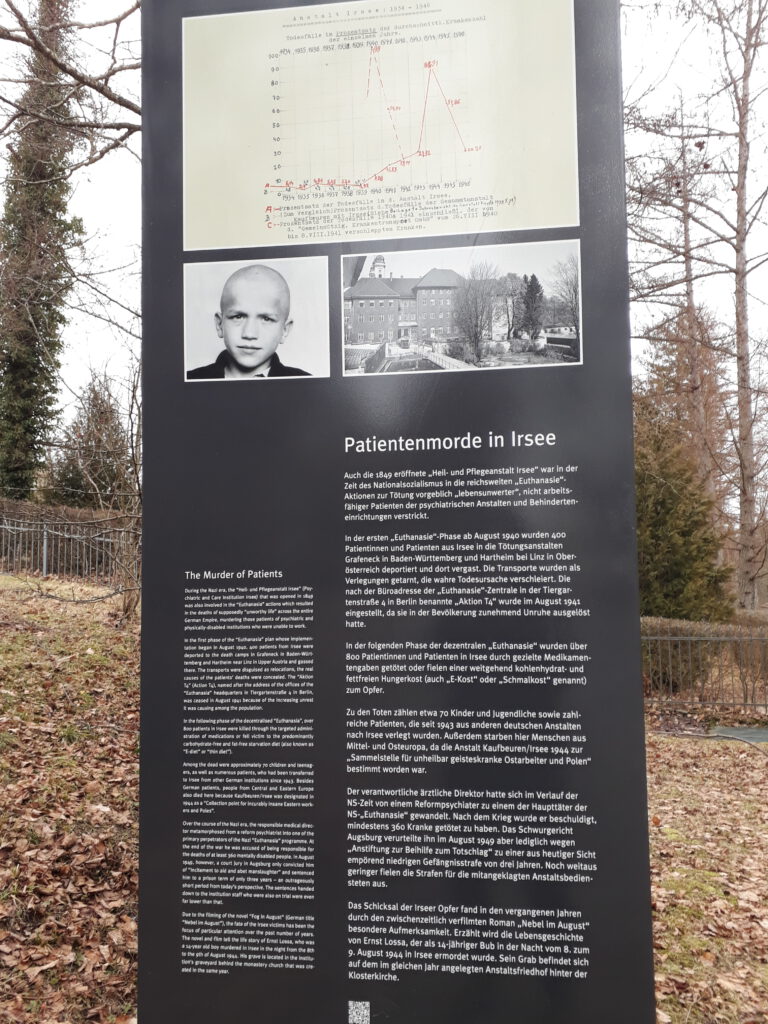
15 km von Wörishofen entfernt liegt das weitläufige Kloster Irsee. Hier befindet sich eine Euthanasie-Gedenkstätte.
Im Großteil der Anlage ist heute eine psycho-somatische Klinik untergebracht. Zudem gibt es einen Pater Ruppert Mayer- Gedenkraum.
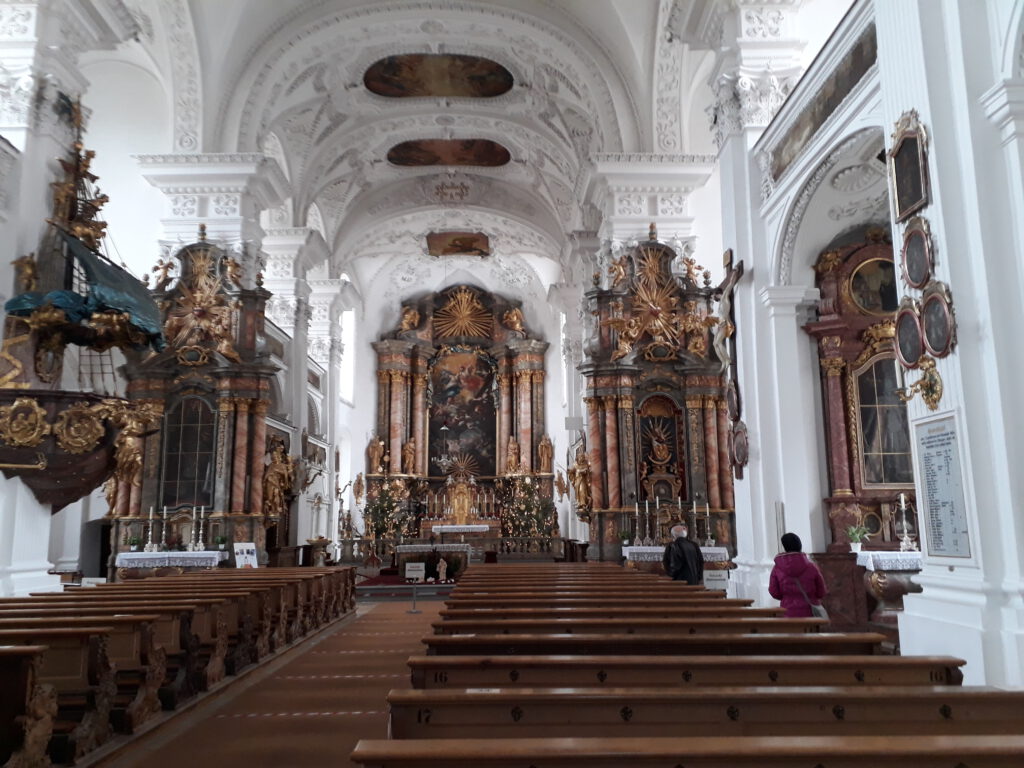
Die „Schiffskanzel“
Pforzen!
In der gemütlichen Klosterbräu-Gaststätte lässt sich´s gemütlich sitzen.
Kaufbeuren – mittelalterliche Stadt
Nur etwa 8 km von Irsee liegt Kaufbeuren. Kaufbeuren (mittelalterlich: Buron / im schwäbischen Dialekt: Beira) ist eine kreisfreie Stadt am nordöstlichen Rand des bayerischen Allgäus. Die frühere Reichsstadt ist mit 44.662 Einwohnern die viertgrößte Stadt im Regierungsbezirk Schwaben. Kaufbeuren ist vollständig vom Landkreis Ostallgäu umgeben und liegt etwa in der Mitte zwischen München und Lindau.
Ihr bekanntestes Wahrzeichen dürfte wohl der Fünfknopfturm sein.
Heilige Crescentia
Weiter ging es nach Landsberg am Lech. Unser Hotel „Easy Viena Hotel Landsberg“ liegt im Gewerbegebiet etwa 5 Minuten vom Stadtzentrum entfernt. Wenn man in die Stadt will parkt man am besten in der Von-Kühlmannstraße oder im Parkhaus am Schlossberg.
Mit lautem Getöse fließt der Lech. Imposant auch bei Nacht.
Der Münster vom Dießen
Fährt man von Landsberg Richtung Starnberger See kommt man in Dießen am Ammersee vorbei. Ein Stopp am Marienmünster lohnt sich auf jeden Fall.
Dießen am Ammersee ist ein Markt im oberbayerischen Landkreis Landsberg am Lech am südwestlichen Ufer des Ammersees. Zur Unterscheidung von anderen Orten gleichen Namens bezeichnete man den Ort früher als Bayerdießen.
Fortsetzung folgt: Bernried – das Buchheim Museum am Starnberger See
So ähnlich wie in bei Michel aus Löneberga /Smaland 🙂
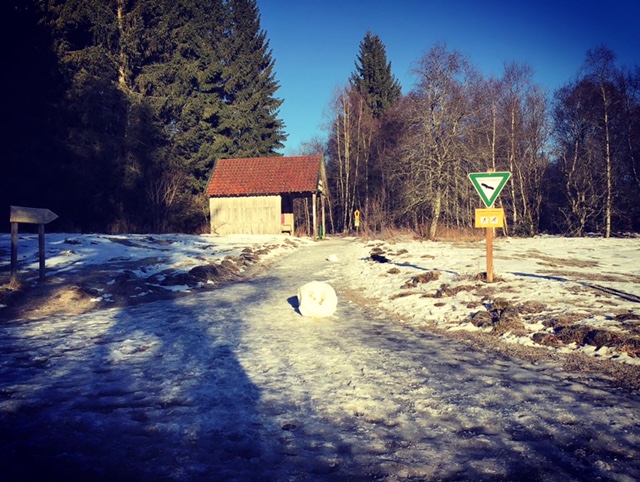
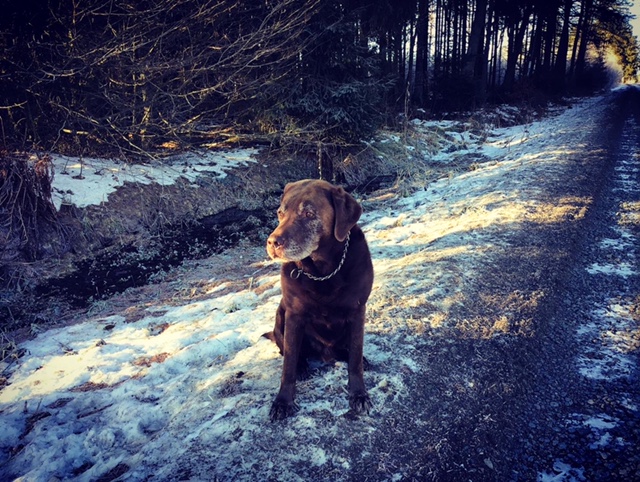
Gestern am frostigen Mittwoch hat´s mich wieder mal gepackt. Um 7.30 Uhr war´s schon klar, das wird ein pfundiger und sonniger Wintertag. Was gibt´s da Schöneres als ein Trip in die Rhön. Schnell noch mal die Rhön Cam Seite am Computer gecheckt. Da liegt auch noch Schnee am Nabu-Haus/ Rotes Moor. Tee gekocht, ein paar Happen für den Hund und los. Herrlich schon die Fahrt durch die frostige Landschaft. Minus 6,5 Grad. Oben am Parkplatz des Nabu-Hauses ein Tagesticket gezogen. Brooks wartet schon erwartungsvoll hinter der Heckklappe. Mütze auf, Rucksack und Handschuhe an. Los geht´s. Ich glaube, ich bin die Stecke zum Wasserkuppe schon an die 30 mal gelaufen, mit und ohne Schüler, allein, mit Familie und Freunden.
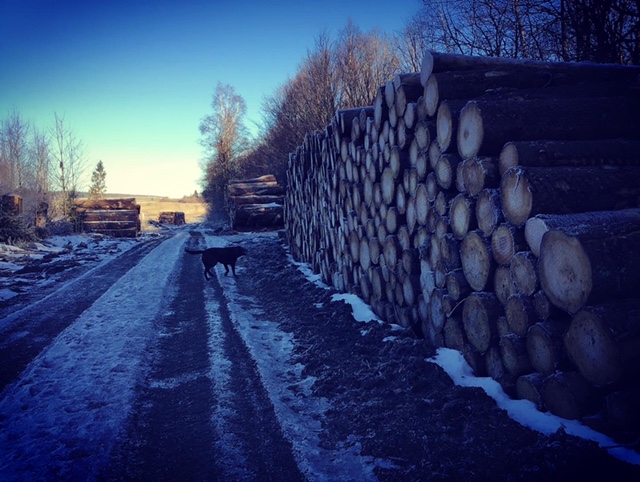
Einfach Naturerlebnis pur diese etwa 14 km (Hin- und Rückweg zusammen!). Zunächst umwandern wir das rote Moor und ich wundere mich, dass der Weg so licht ist. Hier wurden massenhaft Bäume gefällt. Die Stämme fein säuberlich am Rand des Weges gestapelt.
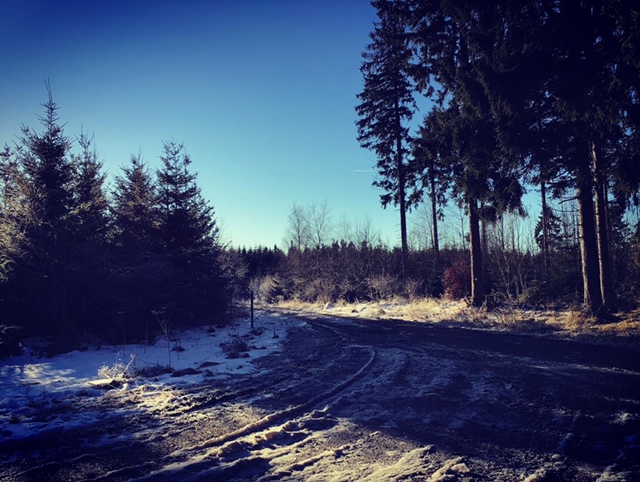
Das frisch geschlagene Nadelholz verströmt seinen typisch harzigen Geruch in der kalten Wintersonne. Kleine Schneeflächen, tiefgefrorene Eispfützen und die verschiedensten Eiskristalle auf Pflanzen, Holz und Boden glitzern in der Sonne. Winteridylle wie aus dem Bilderbuch. Ich fühle mich gerade so richtig in die Taiga Sibiriens versetzt. Die Sonne wärmt schön den Rücken. Kein Mensch weit und breit. Brooks springt umher und beißt Brocken des verharschten Schnees ab. Auf der Höhe, wenn man den Waldweg hinter sich gelassen hat, mache ich ne kurze Rast, schlürfe heißen Tee und gebe Brooks ein paar Leckerli. Herrlich der Blick auf die Wasserkuppe.
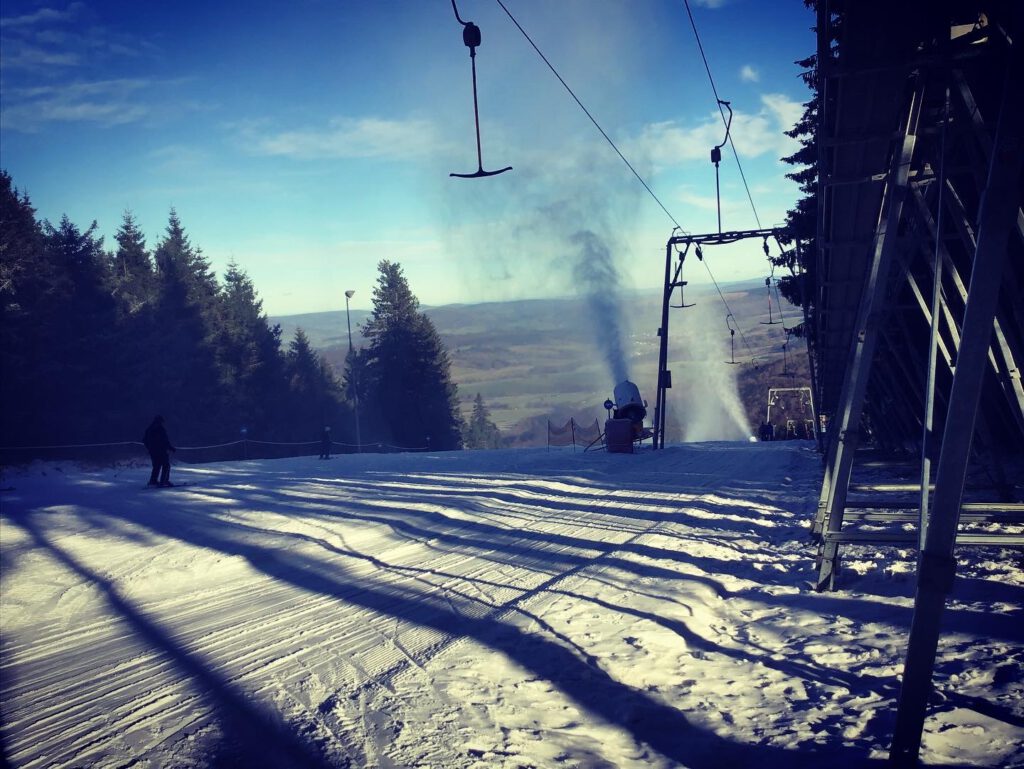
Zwischen den Schneeverwehungen die kleinen Maulwurfhügel. Kein Wind weht heute zum Glück. Jetzt gibt´s zwei Möglichkeiten. Direkt zur Wasserkuppe oder über die Kaskadenschlucht. Ich wähle den Weg über den Fuchsstein zur Fuldaquelle. Der Weg entlang des langen Parkplatzes der Wasserkuppe ist in der Sonne schon aufgeweicht. Blöd. Da der Bratwurststand beim „Deutschen Flieger“ oben zu hat, laufen wir den Weg hinter zum Skilift. Winterbetrieb. Die Schneekanonen schießen Schneekristalle in die Luft.
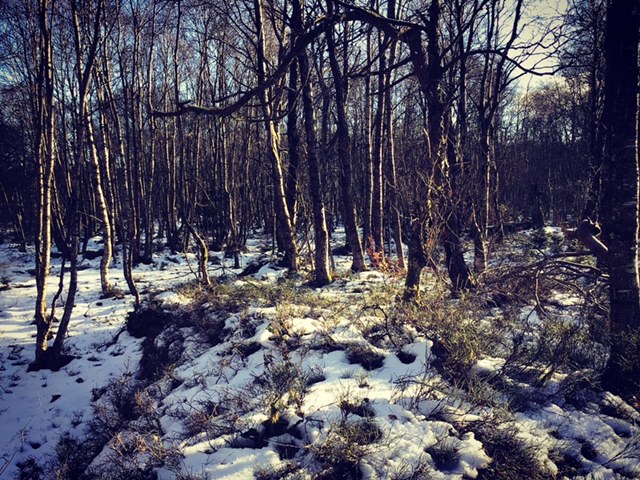
Es ist ordentlich Betrieb auf der Piste. G2 im Gasthaus. Curry-Wurst mit Pommes für 4,50 €. Das sind zivile Preise. Dann noch die wärmende Sonne auf einer Bank genießen. Sonniger Rückweg – entlang der Straße auf der Wiese. Und dann geht´s auf den Holzstegen durch das Rote Moor, immer zauberhaft und mystisch. Bei diesem Wetter und der Landschaft muss ich immer an den Roman und die Verfilmung „So weit die Füße tragen“ denken: die Birken, der weiße Schnee, die Moorlandschaft…..diese Stille. Schön war´s.
Der Radiergummi – eine Würzburger Geschichte!
Meine zwei ersten Jahre der Grundschulzeit verbrachte ich an der neuen Hauger Schule. Das war eine schöne Zeit. Der Schulweg von der Wallgasse bis zur Semmelstraße war kurz. Gelaufen bin ich jeden Tag mit meinem Freund Thomas M. Allerdings war der Heimweg schöner. Da spielten wir immer Ritter. Die Anorakkapuze wurde stets aufgezogen und der Rest baumelte am Rücken runter, das war der Rittermantel. So zogen wir meist zu viert vom Hinterausgang in der Wallgasse zur Neutorstraße. Ein Halt wurde meist am Ende der Neutorstraße eingelegt. Gegenüber vom heutigen „Pan di Zucchero“ befand sich ein kleiner Laden, zu dem drei oder vier Stufen hinaufführten, der für kleine „Rittersleut´“ Bärendreck bereithielt. Für vier Zehner waren wir täglich eingedeckt, um unseren kleinen Kreuzzug zu Ende zu führen. Im schönen Hof der Semmelstraße 67 schauten wir nach, ob der dicke Boxer von Herrn Loos zu sehen war, „Ritter“ lieben Hunde. Wenn er da war, dann wurde der durchgeknuddelt, obwohl er fürchterlich muffte. Dann ging es weiter zum Bäckerbrunnen und dann ins Ladenzimmer der Metzgerei, in der mich schon der Leberkäs-Duft erwartete. Der Leberkäs der Metzgerei Martin galt als der beste der Stadt. Noch heute schwärmen die Leute davon. Meine Mutter stand meist im Laden und bediente. Meist gab es kurz nach eins Mittagessen, das wir im kleinen Ladenzimmer an einem mickrigen Tisch neben dem dampfenden Leberkäsbräter einnahmen. Täglich gab es Suppe, Hauptgericht und Nachspeise – freitags fleischlos. Da von 13 Uhr bis 14 Uhr Mittagspause war, konnten wir fast ungestört zu Mittag essen. Bisweilen jedoch, als ich in der 3. Klasse in der Pleicher Schule war, kam oft ein ungebetener Gast, der an der Ladenzimmertür im Hof klopfte: Frau Motzel, meine Klassenlehrerin, eine ausgezehrte, alte silberlockige Jungfer, um deren beinahe skelettierten Extremitäten dunkelblaue Baumwollhosen schlotterten. Mutter musste sie dann immer schnell für ihre großen Einkäufe (75 g Fleischwurst, 1 Knäudele und 100 g Hackfleisch) bedienen. Ich war stets froh, wenn sie wieder weg war. So funktionierte damals eine Sprechstunde mit den Erziehungsberechtigten. Nachdem der Tisch abgeräumt war, wischte Mutter den Tisch und das Katholische Volksblatt wurden fein säuberlich auf dem Tisch ausgelegt. Zeichen für mich, dass jetzt neben dem Leberkäsbräter die Hausaufgabenzeit unter dem wachsamen Auge meiner Mutter begann. Ich bin Linkshänder und man hatte mir unter Nachdruck beigebracht, rechts zu schreiben. So holte ich die Hefte mit der Erstklasslineatur heraus und begann zu schreiben. Währenddessen war das Geschäft wieder offen und Kunden mussten bedient werden. Ich gab mir Mühe und schrieb mit Bleistift bzw. nun mit Füller fein säuberlich auf Orthografie achtend. Mutter kam und kontrollierte. „Hm, da hast du ein Wort vergessen! Das schreibst du gleich noch einmal!“ Ratsch – und schon war die Din A5 Seite herausgerissen und die zweite Hälfte des Blattes auch. „Gib dir Mühe!“. Kurze Zeit später. „Da hättest du mehr Abstand zwischen den Wörtern lassen müssen. Das hast du so ´neigeknört“. Ratsch – Seite raus. „Löschblatt unter die Hand, dass ja kein Fettflecken drauf kommt.“ Das Heft wurde nun schon merklich dünner. Ein erneuter Versuch. Mir taten schon die Griffel weh, die „Schreibkraft“ ließ nach. Pfeife – verschrieben! Mutter jetzt recht angesäuert: „Jetzt müssen wir radieren.“ Der blaue Anteil des Radierers schmiert. Der Leberkäsbräter dampft munter vor sich hin. Jetzt ist auch noch ein Fettflecken drauf. Noch einmal. Wieder verschrieben. Es wurde der hellblaue Radierer erneut strapaziert. Die Lineaturseite wurde durch den wiederholten Einsatz des Radierers zunehmend aufgeraut. Tintenkiller gab´s noch nicht. „Pfeife – jetzt ist das Schreibblatt auch noch durchgerubbelt. Geh´schnell zum Schreibwaren „Kurtze“ und kauf´ ein neues Heft!“ So fiel es mir leicht die deutsche Orthografie zu erlernen. Meine Mutter übrigens, hatte nie eine schöne Schrift besessen. Das Wort Weißwurst war bei ihr nur mit Fantasie zu lesen. Zwei W im Abstand, nach jedem ein waagrechter Strich! Martinsche Kurzschrift halt. Leberkäse: Lstrichkstrich! Geht doch!
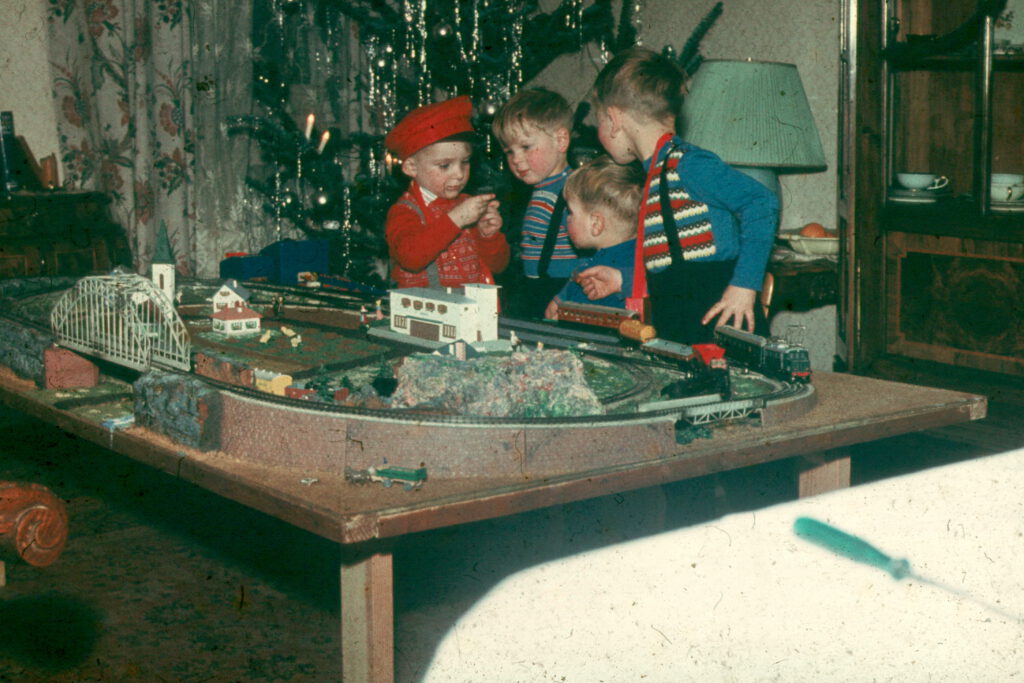
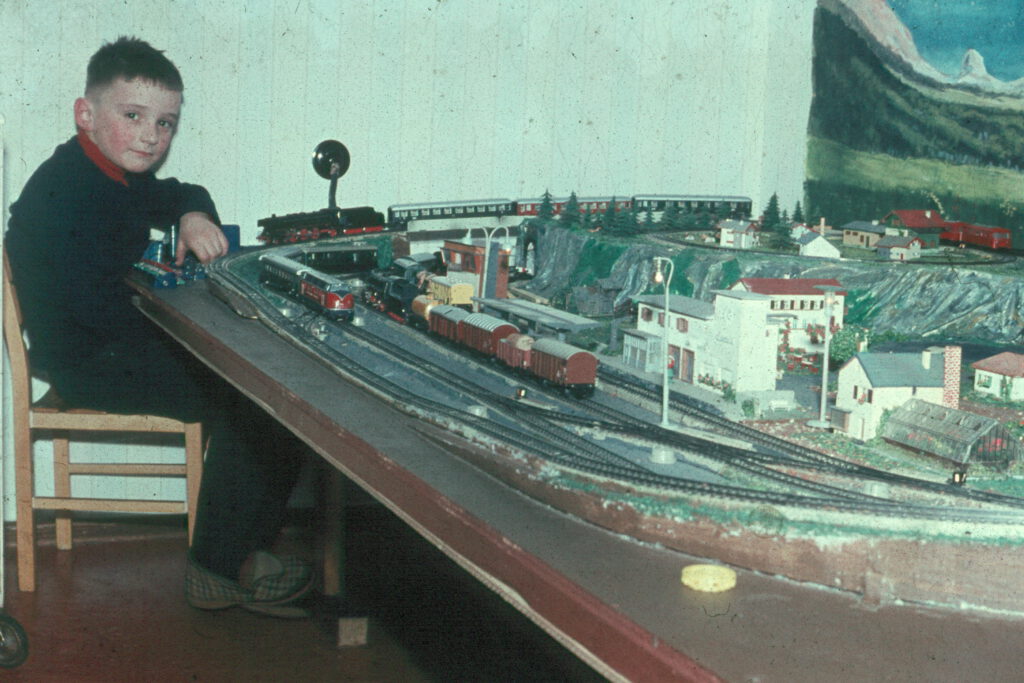
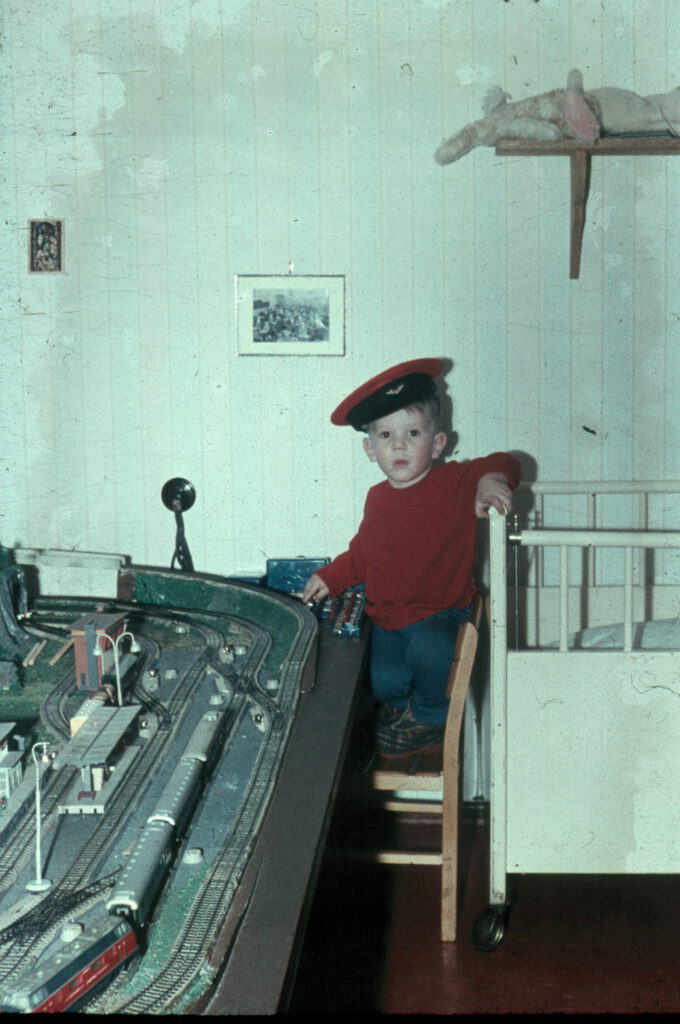
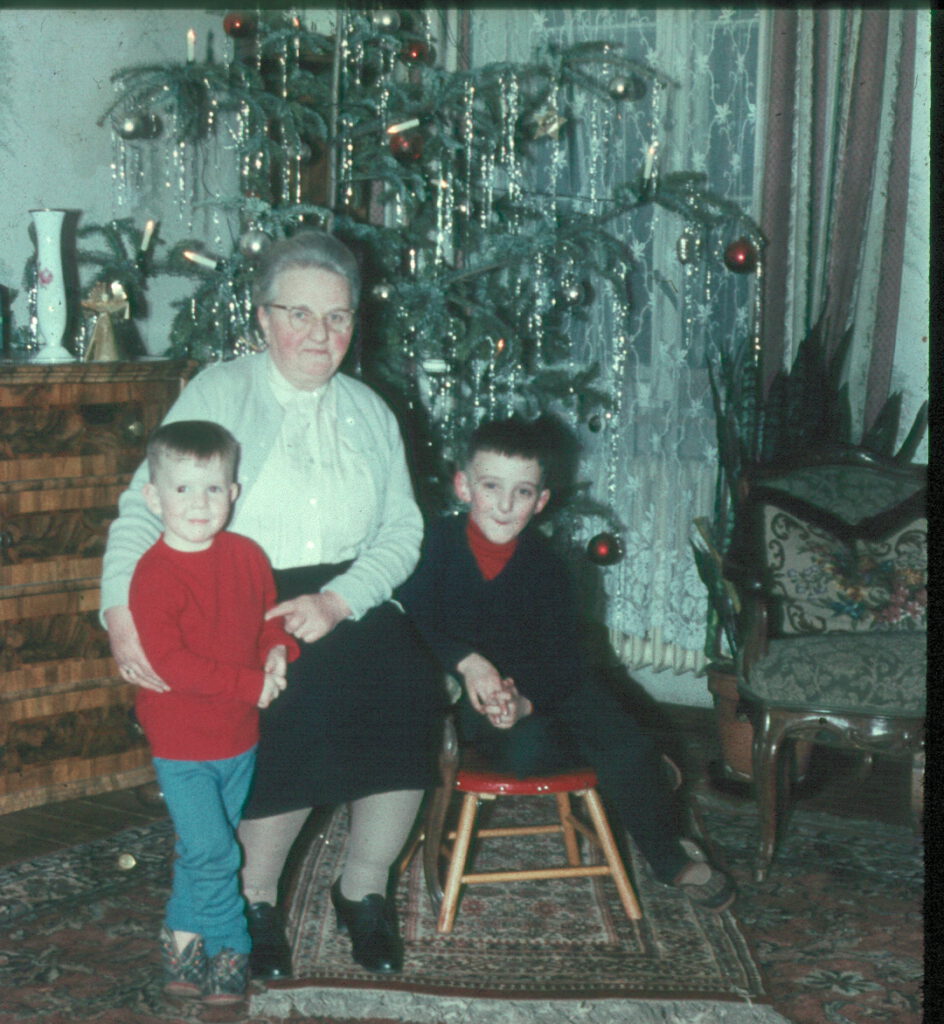
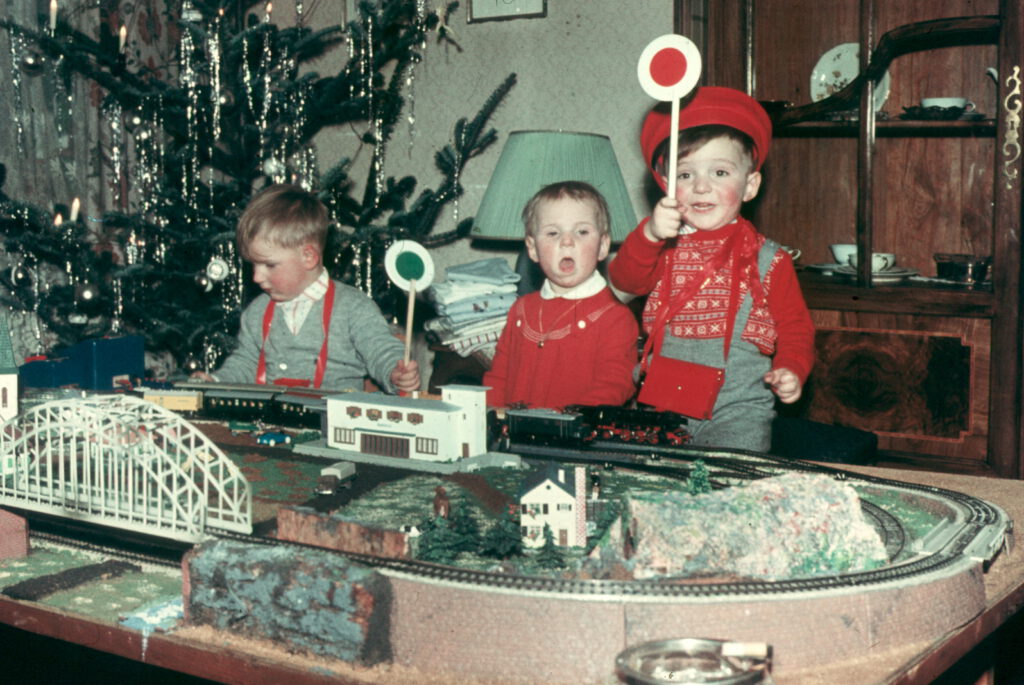
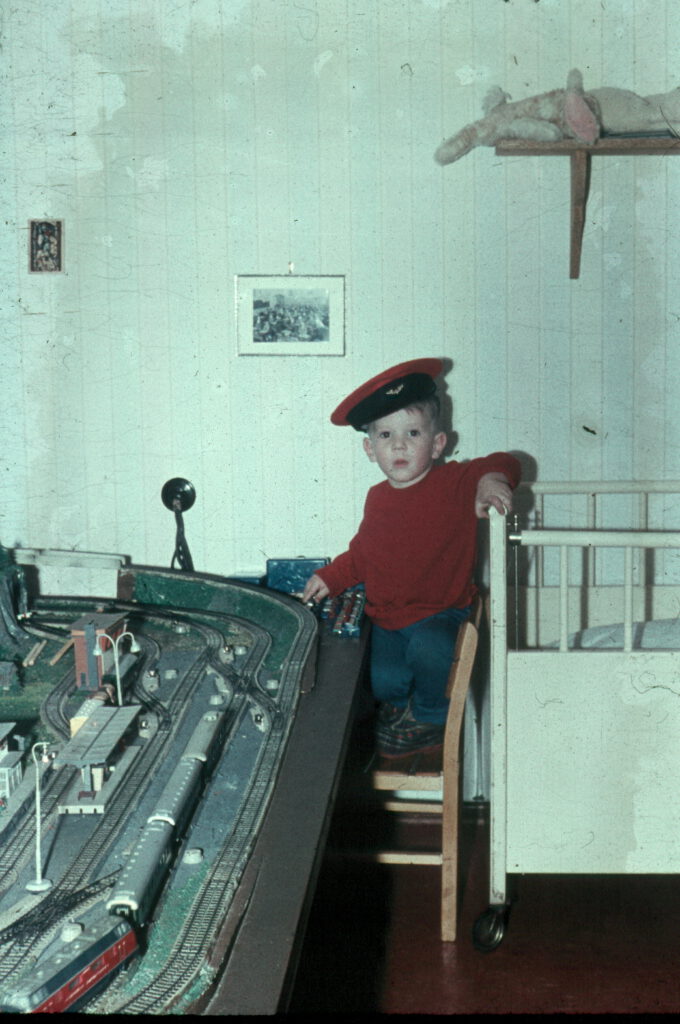
Märklin-Eisenbahn – Mein Bruder Schorsch und die Cousins Michael, Matthias und Erich Hessenauer
Das Weihnachtsgeschäft – ein Hof voller Fleischpäckchen
Der größte Trubel herrschte in der Metzgerei Martin immer zur Weihnachtszeit. Heute würde man diese Woche vor dem 24. als „Stresstest“ bezeichnen. Es wurde wirklich hart geschuftet. Die Wurst- und Fleischbestellungen liefen telefonisch ein bzw. gute Kunden wurden angerufen oder wir durften mit den Fahrrädern die Bestellungen für die Weihnachtsfeiertage im Heimgarten, Frauenland oder auf der Keesburg einholen. Die Produktion von Wurstwaren lief auf vollen Touren. Die Menge der bestellten Waren wurde auf Zetteln festgehalten, wobei es auf deutliche Schrift ankam. Wie meine Leser aus der Geschichte “Der Radiergummi” wissen, hatte meine Mutter hier eine ihr eigene Stenografie entwickelt: WUnterstrichwUnterstrich? Na klar! Weißwurst. Probe: 5oo g L_k_ ? 5oo Gramm Leberkäse! Richtig! Geht doch! Am Tag vor dem 24.12. wurde eigentlich rund um die Uhr gearbeitet, denn die Fleischpakete sollten fertig gerichtet bereit stehen. Mutter war allein für die Fleischbestellungen zuständig, die Mädchen für die Wurstbestellungen. Und was die Leute damals alles bestellten, unglaublich welche Massen in die großen braunen Papiertüten wanderten. Es war eine erprobte Logistik aus praktischer Erfahrung, die sich hier vollzog. Dass manche der Produkte, bei denen es auf absolute Frische ankam, zuletzt in die Pakte kamen, war inkludiert. Es war immer die Zeit der kurzen Nächte für das Personal und meine Eltern. Arbeitsbeginn war an den weihnachtlichen Vortagen in der Wurstküche um 2 Uhr nachts, meine Mutter begann zur selben Zeit. Der 23.12. war der Tag, an dem bis spätabends alle Wurstpakete bis auf die frisch einzupackenden Wurstwaren gerichtet wurden. In jedem Paket waren auch die Kundengeschenke enthalten, die es jedes Jahr gab: ein Geschirrtuch und eine Wurst, zum Beispiel Mettwurst im “Frohe Weihnachten”-Darm. Am 24.12. stand dann die lange Hofeinfahrt voller großer Alukästen, in denen die Päckchen standen. Auch im Kühlraum tummelten sich die braunen Tüten. Auf den Kästen lagen groß beschriftete Zettel mit den Namen, also eine Art Inhaltsverzeichnis. Einzelne Kästen auch nach der Ausfahrroute stadtteilmäßig geordnet. Im Laden drängten sich ab 8 Uhr die Kunden in mehreren Reihen. Man stand bis auf die Straße hinaus. Der Ansturm hielt meist bis 12 Uhr an. Mutter wusste nun, dass alles wieder mal geklappt hatte und nichts Wichtiges bei irgendjemanden vergessen wurde. Allgemeines Aufatmen. Pünktlich um 13 Uhr wurde der Laden dicht gemacht. Der Rest des Weihnachtsfestes ist dann schnell erzählt. Nach dem die Schlacht geschlagen, geputzt war und die Lehrmädchen heimgefahren waren, ging es ab in die Badewanne. Es gab frühzeitig das Martinsche Weihnachtstraditionsgericht Pastetchen mit Champignon-Kalbsragout, übrigens auch heute noch. Die Pastetchen mussten immer von der Bäckerei Brandstetter sein. Abräumen. Weihnachtsliedgut. Bescherung. Die Märklin-Eisenbahn nahm ihren Betrieb auf. Die Spielzeit dann leider viel zu kurz bis zur Christmette, die in Stift Haug besucht wurde. Die Motivation dazu auf Kinderseite gering. Nolens statt Volens. Meinen abgekämpften Eltern fielen immer während der Messe die Augen zu. Richtig genießen konnten wir dann immer die zwei folgenden Weihnachtsfeiertage.
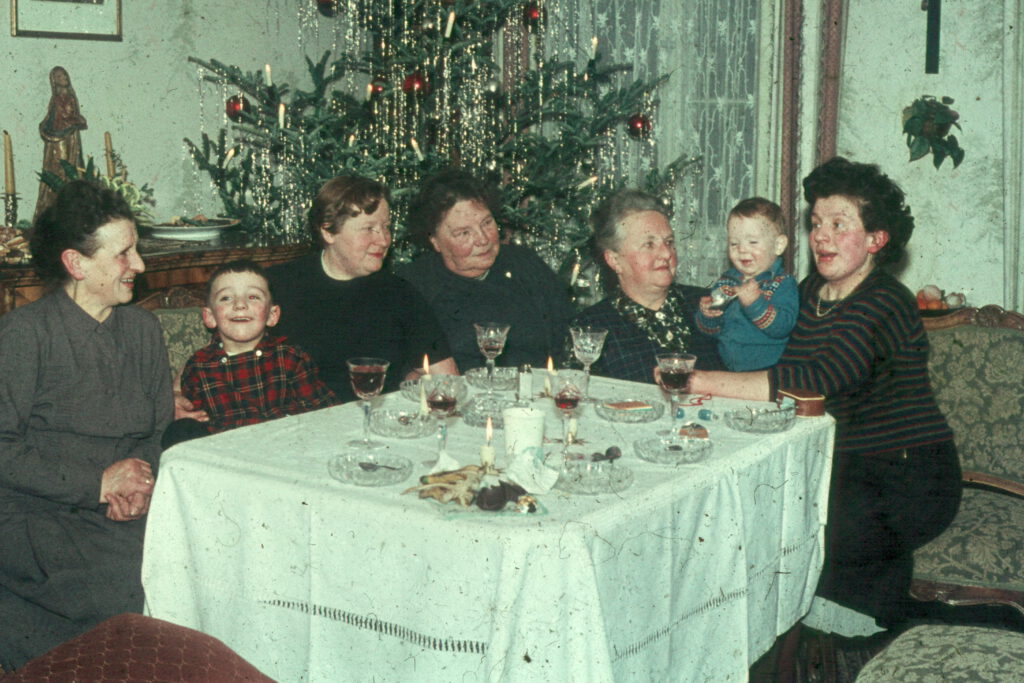
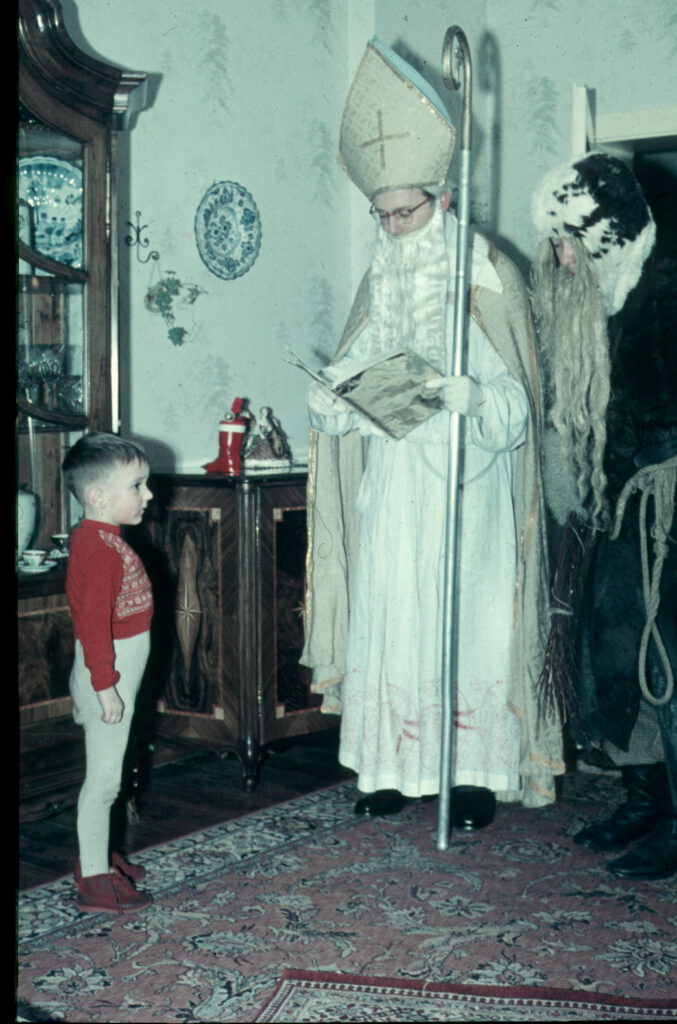
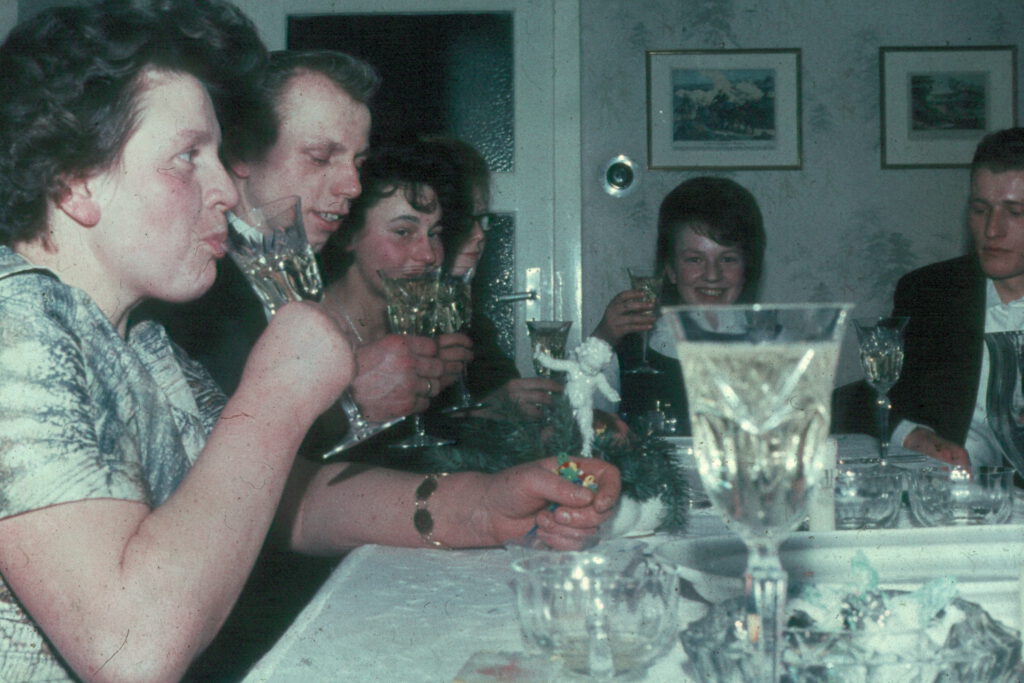
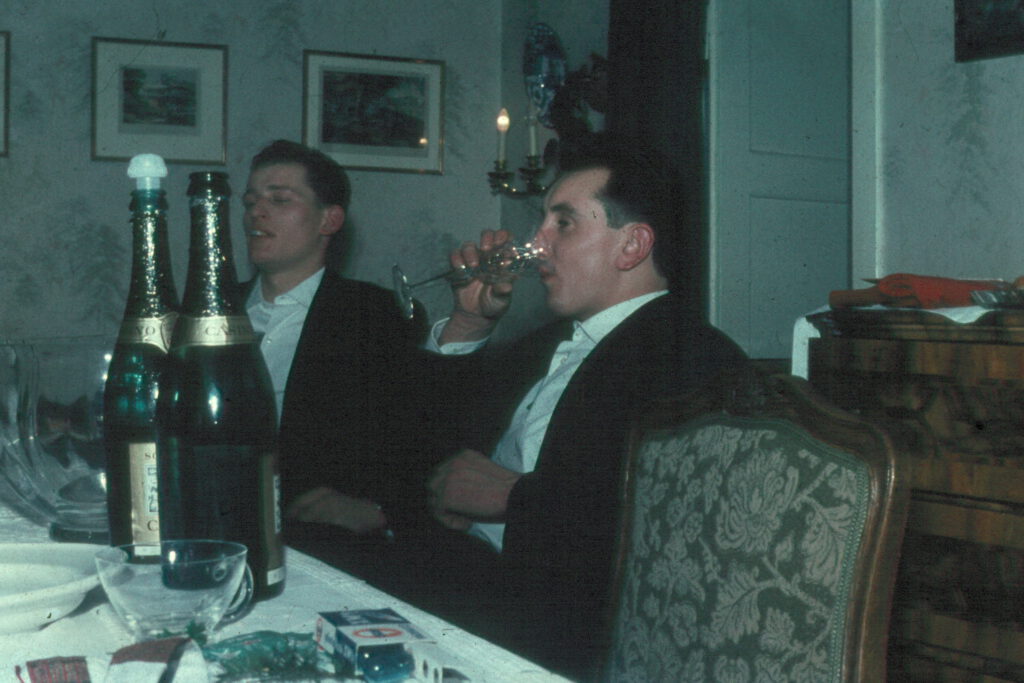
Georg am “Stellwerk”“Abfahrt!”von rechts Georg und Oma Mathilde im weihnachtlich geschmückten WohnzimmerWeihnacht – Verwandte treffen ein! Ganz links Großmutter Hedwig Keller, die die Bürgerspitalweinstube bis 1964 führte. Daneben mein Bruder Georg. Rechts meine Mutter mit mir und Oma Mathilde daneben Ein schönes Familienbild. Die zwei Frauen in der Mitte dürften Tanten aus Oberpleichfeld oder Dipbach sein (?)oh Gott – der Nikolaus ist da. mein Bruder Schorsch hat anscheinend vor dem Knecht rechts die Hosen voll. Aber der rote Stiefel links auf der Komode ist zum Glück verheißungsvoll.Entweder Weihnachts- oder Silvesterfeier mit der Belegschaft
Würzburger Geschichten: Von Honiglebkuchengänsen und Nikoläusen – das große Backen – Vorweihnachtszeit in den 60ern
Die Märklineisenbahn gab es nur ab Weihnachten!!! Von links nach rechts: mein Cousin Thomas Kirchner, meine Cousine Regina und mein Bruder Georg. Von Jahr zu Jahr wuchs die Anlage natürlich.Hier steht die Anlage noch im Wohnzimmer.
Freut ihr euch auch jedes Jahr auf Weihnachten? Als Kind war die schönste Zeit doch die davor. Dieses Warten auf das „Christkind“ damals, Spannung, die sich von Tagt zu Tag mehr aufbaute. Noch besser, wenn im schneearmen Würzburg beim Aufwachen, plötzlich Schnee in der Semmelstraße lag, der sich aber ab 10 Uhr, wenn der Verkehr rollte, in einen schwarzen unansehnlichen Schneematsch verwandelte. Dennoch war immer die Hoffnung auf weiße Weihnacht da.
Spielwaren “Russwurm”
Ein untrügliches Zeichen, dass Weihnachten vor der Tür stand, war für uns Kinder die Neudekoration des Spielwarengeschäfts „Russwurm“ in der Semmelstraße 18, , also genau gegenüber der Metzgerei Martin. Heute ist in dem Haus die Firma „Foto-Fix“. In der Weihnachtszeit mutierten die beiden großen Schaufenster zu einer Kinder-Traumwelt. Das Schöne dabei war, dass wir von unserem Kinderzimmer im ersten Stock einen ungehinderten Blick auf jene hatten. So konnten wir hautnah die Verwandlung in der Weihnachtszeit mitverfolgen. Ich weiß nicht, ob heute Spielwarenauslagen noch so liebevoll und detailliert gestaltet werden. All die Spielsachen wurden so nett drapiert, dass allein das Betrachten der Auslagen die reinste Freude war. Und jeden Abend saß ich auf der marmornen Fensterbank mit dem Fernglas bewaffnet, die heiße aufsteigende Luft des Heizkörpers sorgte dabei für eine wohlige Wärme, und meine Augen konnten sich nicht sattsehen.
Blickfang “Märklin Eisenbahn”
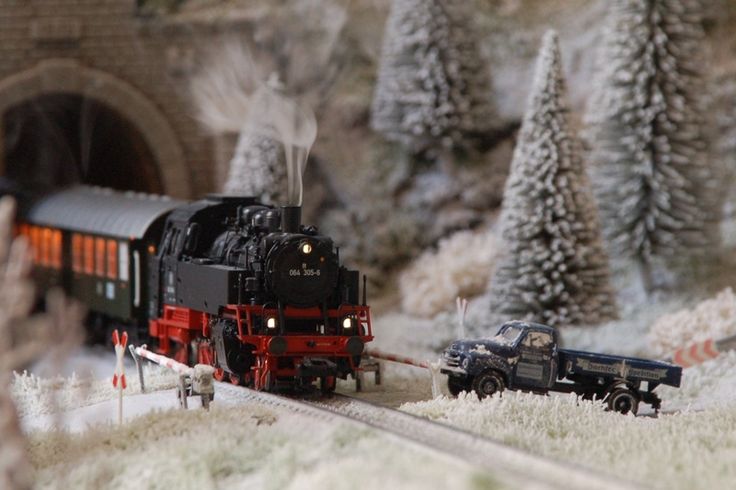
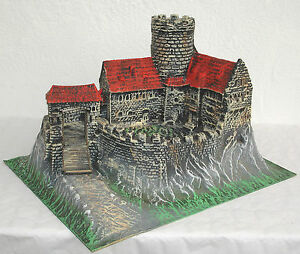
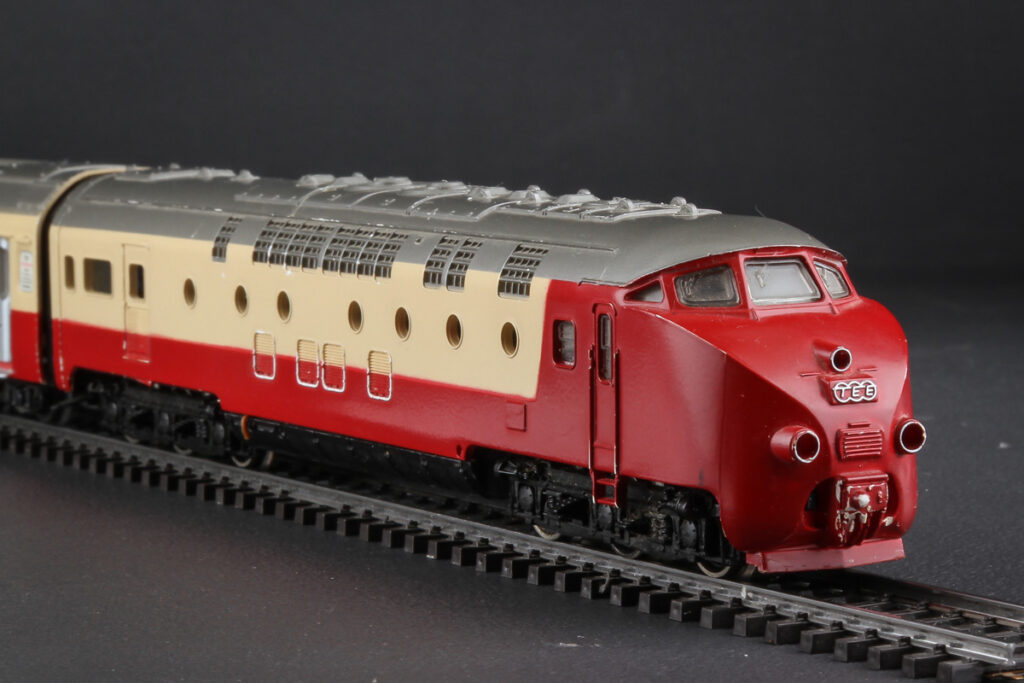
Blickfang Nummer eins war jedes Jahr eine Märklin-Eisenbahn. Der dampfbetriebene Güterzug, der moderne rotbeige Europa-Express und ein Dieseltriebwagen zogen entweder durch alpine weiße Landschaften oder über sommerliche Bergpanoramen unermüdlich ihre Bahnen. Das war quasi der Vorgeschmack auf unsere eigene Märklinanlage, die nur in der Weihnachtszeit aufgebaut wurde und sonst den Rest des Jahres über dem Salzraum in der Wurstküche im Tiefschlaf lag. Neben der Eisenbahn galt es natürlich viele weitere interessante Dinge im Russwurmschen Reich zu entdecken: wunderbare Steiff-Tiere, eine grandiose Ritterburg mit bemalten Elastolin-Figuren im Belagerungszustand, Rennautos, Kasperlpuppen…. Kurzum ein Eldorado für jedes Kind. Soweit ich noch weiß, war dieses Paradies spätestens zum Ersten Advent zu bestaunen.
Sankt Anna Kindergarten – Ich geh´ mit meiner Laterne….
Für mich begann die schönste Jahreszeit schon immer am 11. November. Sankt Martin. „Ich geh´mit meiner Laterne..“ „Sankt Martin, Sankt Martin, Sankt Martin war ein…“. Im Sankt Anna-Kindergarten wurden mit den Schwestern zusammen jedes Jahr wunderschöne Martins-Laternen gebastelt. Nach dem Laternenumzug kam dann der Höhepunkt, die gebackenen honigsüßen Martinsgänse wurden verteilt.
Lecker: Honiglebkuchen
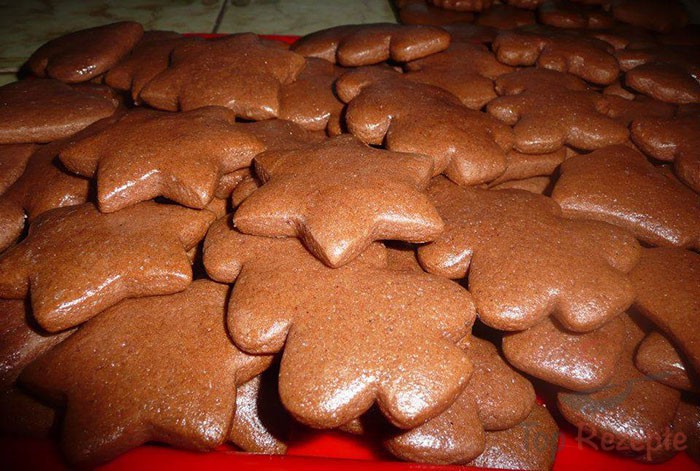
Welch´ein Genuss, der sich ergab, wenn es einem gelang mit festem Biss, ein Stück des harten Lebkuchens im Mund landen und zergehen zu lassen. Unbeschreiblich dieser Geschmack nach Honig, Hirschhornsalz und Kardamom. Nicht ganz einen Monat später der zweite lukullische Glanzpunkt der Vorweihnachtszeit: Nikolaus. Wieder gab es die wunderbaren Lebkuchen der Sankt Anna-Küche in Form von Nikoläusen gepaart mit Mandarinen und Nüssen in schönen Tüten.
Weihnachtsbäckerei
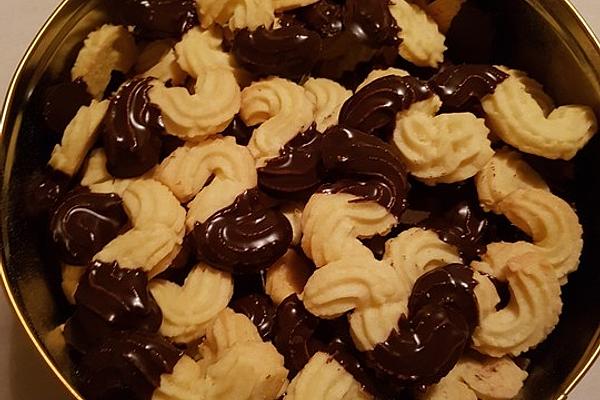
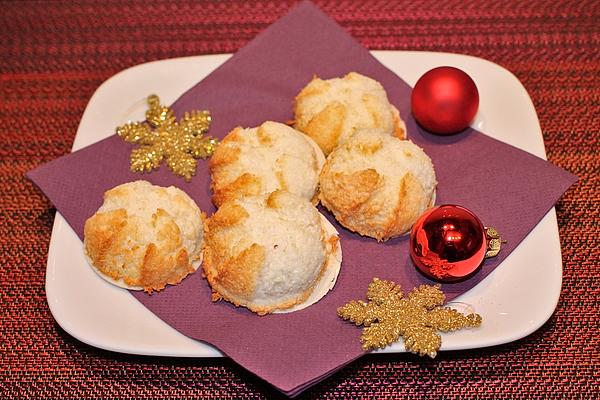
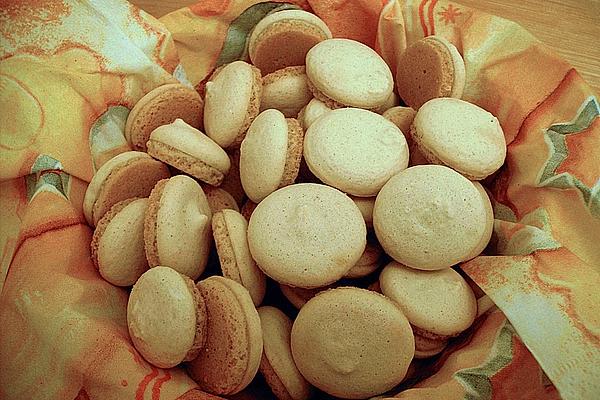
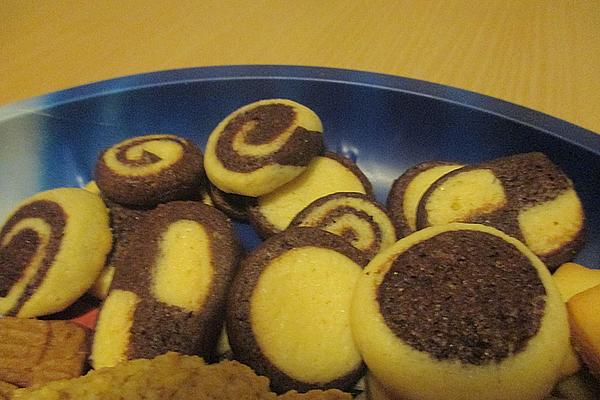
Auch zu Hause wurden jetzt die Vorbereitungen für das Weihnachtsbackwerk getroffen. Es wurden die Teige für Schwarz-Weiß-Gebäck, Spritzgebäck, Kokos-, Nussmakronen, Butterplätzchen und Heinerli hergestellt. Und an einem Sonntag nach dem 6. Dezember war dann Backtag. Formmäßig missglückte Plätzchen verschwanden sofort in hungrigen Kindermäulern. Die duftenden Leckereien wurden nach dem Auskühlen feinsäuberlich in zahlreiche Metalldosen geschichtet und mit der Warnung, die Dosen nicht vor Weihnachten zu öffnen, im großen Wohnzimmerschrank eingelagert. An dieses Gebot hat sich freilich keiner so recht halten wollen und man versuchte durch geschickte Neuordnung das Fehlen von Plätzchen zu vertuschen. Wie wohl jeder, behaupte ich auch heute noch, dass die Plätzchen meiner Mutter wohl die besten waren, die es gab. Falls noch welche da waren, was nie vorkam, hätten sie theoretisch auch noch an Maria Lichtmess ihre Knusprigkeit und Knackigkeit, den feinbuttrigen Geschmack und ihre Konsistenz bewahrt und sich nicht wie unsäglich viele andere, die wir von Kunden geschenkt bekamen, in unseelige Brösligkeit, staubige Sandigkeit oder feucht-weicher Bisslosigkeit verwandelt. Da die drei männlichen Martins heimliche Besucher der Schrankdosen waren, blieben für die Weihnachtsfeiertage gerade noch welche übrig – quasi nur die “Unterschicht”.
Anisplätzchen mit Füßen!
Wichtig war für meine Mutter beim Backen immer, dass die Anisplätzchen„Füße“ bekamen. Und die erhielten „sie“ rückblickend eigentlich immer.
Unser Kinderzimmer in der Weihnachtszeit (Photo Konrad Martin, senior) Man erkennt gut den Ausbau der Anlage im Vergleich zum 1. Bild!)
Händeloper „Amadigi di Gaula“ – ein musikalisches Gesamtwerk
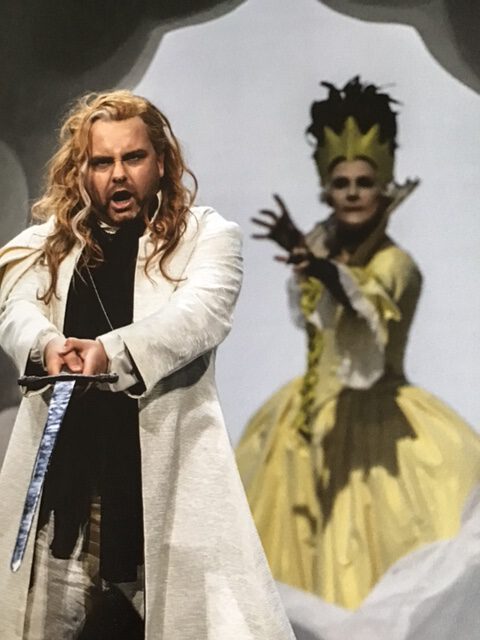
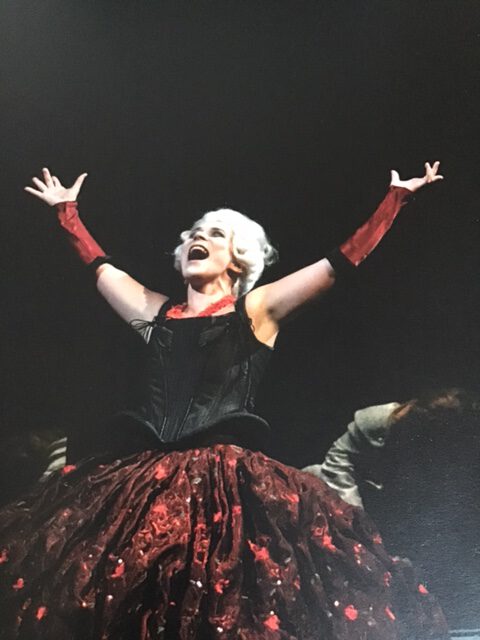
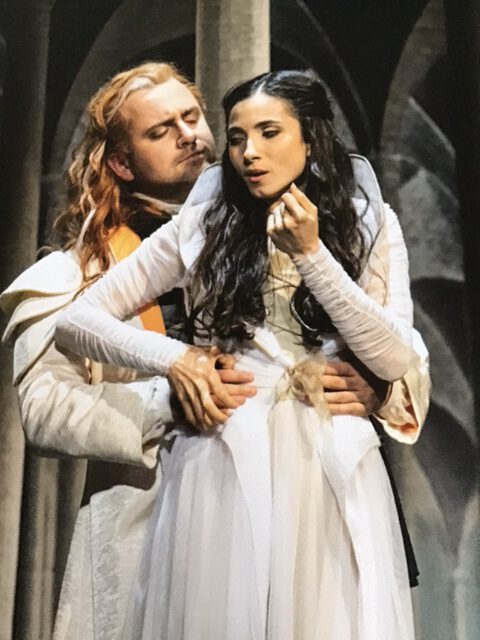
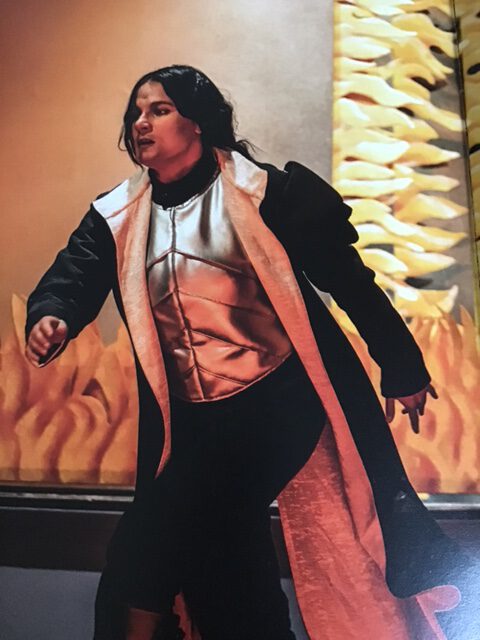
Das war ein absoluter Genuss – überzeugende Solisten, Rafal Tomkiewwicz als Amadigi, die schillernde und zauberhafte Monika Reinhard als Melissa, Sara-Maria Saalmann als Oriana und Almerija Delic als Dardano.
Eine Bühne , auf der es schneite, stürmte, flammte, in dreidimensionaler Tiefe spiegelte oder wundervolle Illusionen zauberte, einfach herrlich. Fantastische Kostüme und eine Hofkapelle, die harmonierte und dynamische Akzente setzte. Eine außerordentlich gelungene Inszenierung in einem wunderschönen Theater, die restlos begeisterte.
Amadigi und MelissaMelissaAmadigi und OrianaDardano
Weitere Empfehlungen für einen Meiningen-Tripp
Der Meininger – schöne Wanderung (ca. 11 km) Einstieg am Schloss Elisabethenburg/ Brücke über die Werra
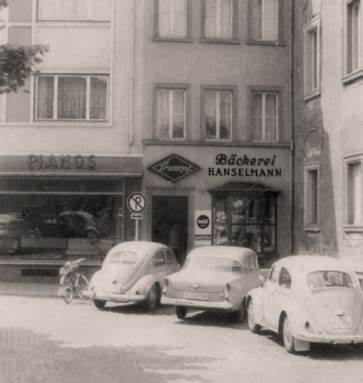
Nachmittagspaziergang mit Hund zum Hanselmann an der Ecke Zeppelinstraß´. Mist Hörnli sinn aus.
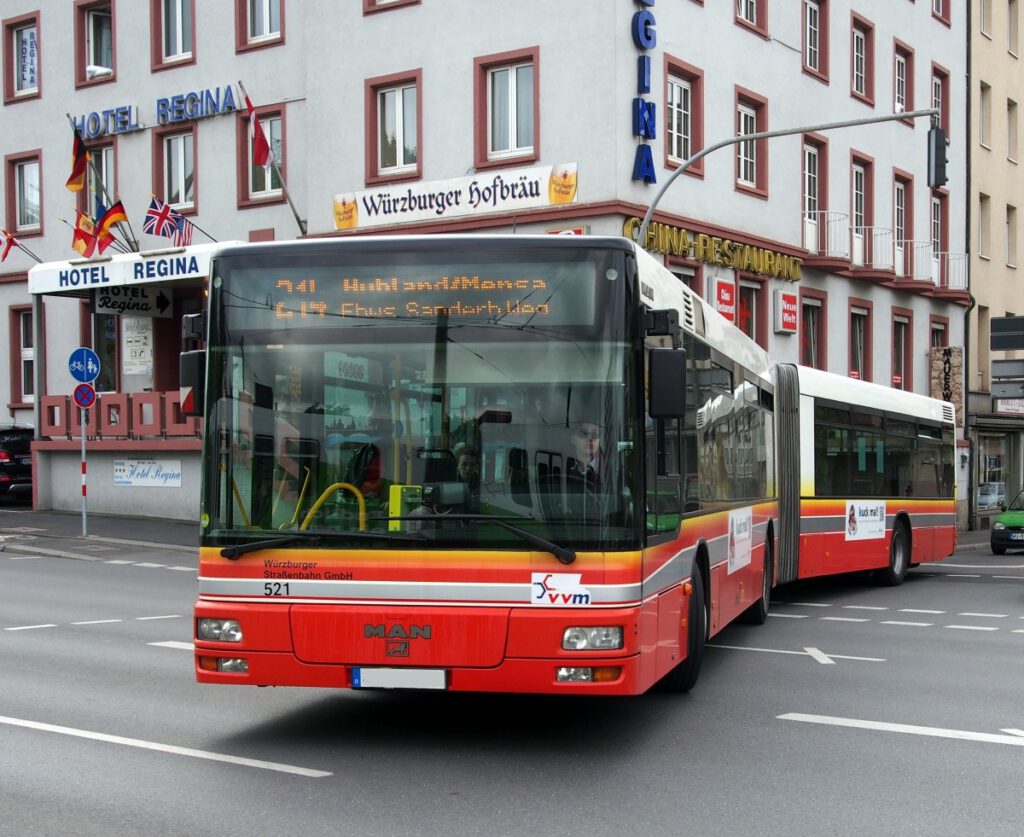
Naja, vielleicht hamm se in der Hofstraß´ noch welche. Also hin gelaufe. Ich konnte noch zwei ergattern und hab´ gleich noch drei Weck mitgenomme. Auf zur Bushaltestelle am Theater. Da warte scho enn Haufe Leut´. Der Sechser kommt erst in 10 Minuten, der 16er in 2 und der 114er in drei. Mir nämme den 114er zum Uni-Sportzentrum, mein´ ich zum Hund. Dann könne mir durchs Sieboldswäldle hemmläf. Die Leut´ recke die Köpf, der 16er kommt, Türen auf, ee Mutter mit ´nem klenne Grundschulmädle will vorne beim Fahrer eisteig´. Da verliert die Klee Weihnachtsbastelbapierschnibsel… die Dinger verteile sich mithilfe vom Wind aufm nasse Asphalt, die Klee plärrt, die Mutter klaubt se auf, die Klee plärrt aber um so mehr und wehrt sich gechen´s Einsteigen, denn unterm Busvorderreifen liegt noch eh Drumm. Die Mutter zerrt die Klee am Arm nein Bus. Des Klee plärrt weiter. Die Mutter gibt auf und verlässt den Bus, in dem sie scho mit der Klee halb drinne war. Des Klee greint bitterlich. Der Busfahrer dreht am Lenkrad und fährt enn halbe Meter vor – vom Gehsteig weg und bleibt stehe. Die Mutter bückt sich schnell und hebt das Bastelteil auf. Erleichtert dürfe die zwei in den Bus einsteigen. Hab´ noch das „Danke“ der Mutter g´hört. Scho schö. Trotz Maske haste gsenn, dass alle Wartenden geschmunzelt und sich gefreut hamm. Es muss bald Weihnachten sei´. Vielleicht liest des ja enner von der WVV. Ich sach nochemal „Danke“. Des hat ´s Herz gewärmt.
Heute ist´s draußen recht ekelhaft. Halt typisch Würzburg Ende November. Die Temperatur so zwischendrin. Es reicht gerade für die eine oder andere Schneeflocke, aber mehr nicht. Nasskalt. Da bleibt man lieber daheim. Heizung aufgedreht, der Hund kuschelt sich im Arbeitszimmer in sein neues Kissen. Neben der Heizung, sein Fell noch vom Gassigehen etwas feucht. Eine wohlige Wärme breitet sich aus. Die Tasse Milchkaffee auf dem Schreibtisch dampft vor sich hin. Ich sollte wieder mal was schreiben, denke ich mir. Momentan darf man eigentlich gar keine Nachrichten mehr hören. Pandemie hier, Pandemie dort, neue Virus-Variante etc… Hofreiter Anton erhält keinen Ministersessel. Die Aussichten, genauso wie es momentane Wetter, sind trüb zu nennen. Obwohl – es soll diese Woche Schnee geben. Warn-Wetter-App mal checken. Rhön im Laufe der Woche kommt einiges an Schnee. Wie sieht´s denn im Erzgebirge aus? Oh schon alles weiß am Fichtelberg. Vielleicht geht Mitte der Woche mal eine Schneewanderung mit dem Hund in der Rhön. Ab und zu muss man doch mal raus wie am Buß- und Bettag nach Großheubach die Wanderung zum Hunnenstein und zum Franziskanerkloster Engelberg. Das war ein Urlaubstag im nasskaltem Wetter, aber auf die richtige Kleidung kommt es eben an.
Morgen der 1. Advent ohne Weihnachtsmärkte und Glühweinstände. War ja ganz schön, der Duft, die Lichter, die Stimmung am Würzburger Marktplatz ….. in den vergangenen Jahren.
Vorweihnachtszeit – da kommen immer Kindheiterinnerungen auf. Vor allem „Schmackhafte“. Lebkuchen und Plätzchen. Und der Drang selbst Honiglebkuchen herzustellen kam überraschend, als ich meinen Einkaufswagen Freitagmorgen durch Normas Gänge schob: großes Lindenblütenhonigglas mit 1000 ml. Das Fundament für Honiglebkuchen. Super. Das geht mit. Zudem wanderten tiefgefrorene Forellen, Gänsekeulen und Gänsebrüste, für die Weihnachtsfeiertage in den Einkaufswagen. Kinder mit Anhang laufen jedes Jahr an den Weihnachtsfeiertagen ein. Da muss rechtzeitig Vorsorge getroffen werden. Gut gemacht. Wer weiß, ob nicht vor Weihnachten dann alles knapp wird. Sicher ist sicher. Glücklicherweise wenig los an der Kasse. Heim und das Tiefgefrorene in die Kühltruhe bringen. Hoffentlich gibt´s in den nächsten Wochen keinen Stromausfall, der Artikel der heutigen Main-Post schoss mir durch den Kopf und löste Besorgnis aus. Das wäre ´ne Katastrophe. Wie ist man doch vom Strom abhängig. Im Main-Post-Artikel war zu lesen, dass man für solche Momente ein Notstromaggregat haben sollte. Die Norma bietet bisweilen solche auch an, wie die vielen Hauswasserwerke, von denen ich inzwischen drei besitze. Also so ein Stromgenerator ist demnächst ein „must have“, obwohl ich im Moment nicht wüsste, wie man damit die Tiefkühltruhe am Laufen halten könnte. Er müsste im Freien mit Benzin betrieben werden, dann Verlängerungskabel…. Die Zubereitung wäre weniger ein Problem, Winter- oder Weihnachtsgrillen ist ja jetzt sowieso unglaublich in.
Tiefkühlware verstaut. Einkäufe eingeräumt. Heute Abend mache ich die Tüte Spekulatius auf. Der Zimt-Spekulatiusgeschmack umwerfend. Dazu zwei Orangen aus dem 4 kg-Sack und eine große Tasse Marzipantee plus Gourmetfeigen. Perfekter Vorweihnachtszeitssnack. Dazu die BR 3 –Sendung Landgasthäuser anschauen. Meine Tochter hatte die Augen gerollt, als sie Ende September die ersten Lebkuchen im Süßigkeiten-Schrank entdeckte. Im Franziskanerkloster Engelberg in Großheubach habe ich übrigens Magenbrot erstanden. Schwiegermutter Sophie schickt auch schon seit ein paar Wochen GreußenheimerPfeffernüsse mit. Es geht also definitiv auf Weihnachten zu.
Die Lebkuchenherstellung
Letztes Jahr hatte ich nach dem Rezept meiner Mutter Honiglebkuchen hergestellt. Als nun das Honigglas auf der Küchenanrichte stand und das Mittagessen schon im Kasten war, entschloss ich mich, die Zeit bis zum Essen um 13 Uhr mit der Teigherstellung auszufüllen . In einer halben Stunde muss das doch zu schaffen sein. Mal anders als im Vorjahr. Ich schnappte mir das bewährte „Bayerische Kochbuch“ (mein Nachschlagewerk schlechthin – alle unsere Kinder haben eines letztes Jahr als Weihnachtsgeschenk erhalten – die Buchhandlung Dreizehneinhalb hat sich darüber sehr gefreut!!!), im Register drei Varianten des Lebkuchenteiges kurz überflogen. Nummer drei, aber ohne Kirschwasser, Zitronat und Orangeade, das mögen die erwachsenen Kinder weniger, obwohl ich eigentlich der eigentliche Abnehmer der Lebkuchen bin. Die Lebkuchengewürzmischung hatte ich schon neulich beim Kupsch mitgenommen. Da ist alles außer Hirschhornsalz und Pottasche drin. Im Nachhinein hat meine Frau gesagt, dass Hirschhornsalz auch oben im Schrank gewesen wäre. Sei´s drum, ich habe Backpulver genommen.
Kochbuch platziert und die Zutaten ( für 1000 ml Honig im Kopf ! umgerechnet) und Arbeitsgeräte bereit stellen, damit es nicht so eine Sauerei gibt.
1kg Mehl
1000 ml Honig
400 gr Zucker
80 gr Gewürzmischung
einen Haufen Zimt noch dazu
Honig im Topf auf Herdplatte anwärmen, keinesfalls kochen lassen, Pass´ nur auf! Zucker und Gewürze unterrühren, abkühlen lassen. Nun in der Rührschüssel das gesiebt Mehl hinzugeben und kneten, kneten und kneten. Zäh wie Asphalt und pappt wie verrückt. Ich schwitze. Es gelingt mir schließlich die Masse mithilfe verschiedenster Küchenutensilien auf einer Platte zu platzieren und decke ihn mit Folie ab. Irgendwie geht man anders auf dem Küchenboden, man gleitet weniger, man haftet mehr. Shit. Wie ich den pappigen braunen Teig zum Ausrollen wieder runterkriegen soll, ist mir ein Rätsel. Vielleicht sollte ich ein Patent für eine Gebisshaftcreme anmelden. Raus damit. Ich stelle ihn über Nacht zum Durchziehen auf den Balkon… Die Küche sieht aus und es klebt überall. Verwische alle Spuren bevor Frau eintrifft. Uff, das war knapp.
Eigentlich wollte ich die Lebkuchenaktion erst am Dienstag, da Conny Allein Zuhause, starten. Aber man drängte mich, dies heute zu tun. Man könne mir ja Beistand leisten.
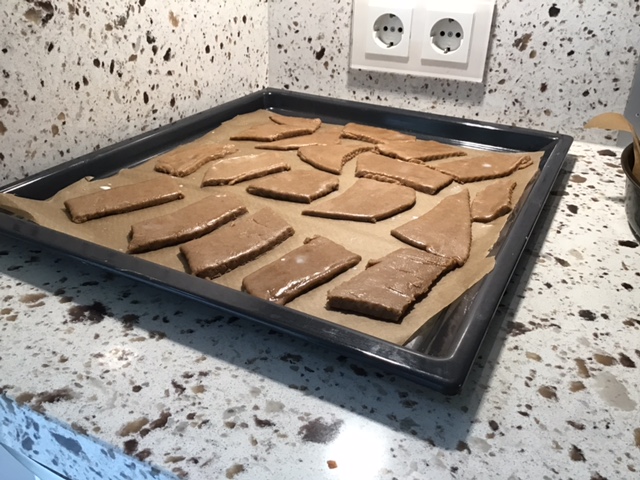
Heute nun den Teig hereingeholt und mit dem Nudelholz 0,5 mm dick ausgewellt. Rauten und weitere kreative geometrische Formen mit dem Raviolirad (Tipp meiner Frau!) erstellt und aufs Backpapier gelegt. DU kannst die Teiglinge noch mit Milch bestreichen, das gibt einen schönen Glanz, meint Frau. Die Masse an Teig reicht für gut 5 Lebkuchenbleche aus. Dann ab damit für ca. 15 Minuten Heißluft bei etwa 180 Grad in die Backröhre.
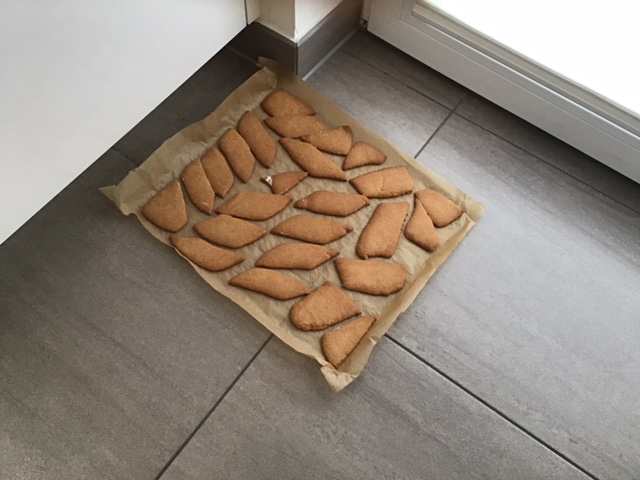
Einen Schönheitspreis gewinnen sie wohl nicht. Man hätte auch noch Mandel auflegen oder Schokokuvertüre aufpinseln können.
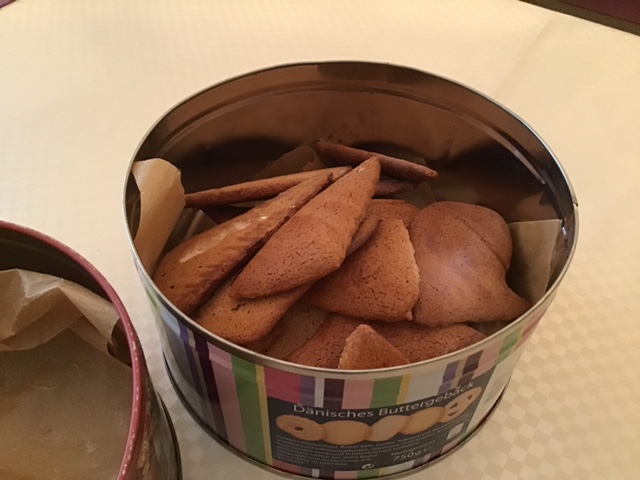
Vom Blech herunter und auskühlen lassen. Fertig. Ich lege die schon knüppelharten Lebkuchen gleich in die Plätzchendosen. Am besten man tunkt sie dann in den Weihnachtstee oder Kaffee. Es braucht gute Zähne und ´nen kräftigen Biss. Also Vorsicht! Aber der Weihnachtsgeschmack, der sich auch schon beim Backen in der Küche entfaltete, war einfach umwerfend. Ehrlich.
Eigentlich wollte ich am heutigen Freitag zum Konzert von Markus Rill nach Darstadt in die musik butik. Aber leider wurde das Konzert Corona bedingt schon zu Beginn der Woche abgesagt. Da habe ich mir sein Werk von 2019 „Songland“ wieder mal angehört.
Das ist einfach eine starke CD mit wunderschönen Melodien und farbenfrohen Texten. Die Arrangements sind erste Güte, genauso wie Rills Mitmusiker. Jedes Stück schafft eine einzigartige Atmosphäre. Die Songs mit Akustikgitarre wie „Length Of Rope“ oder „The Great Mystery“ verbreiten wohlige Wärme und gehen unter die Haut. Der Bandklang erinnert mich von der Intimität her oft an Aufnahmen von Norah Jones.
Glänzende Einstiege mit Ohrwurmcharakter sind „Saddle Up & Ride“ und „Inside The Wheel“. Volle Empfehlung für trübe Novembertage, kalte Winterabende, lange Autofahrten, Sofa-Chilling, beim Kochen (wie heute)…. Ich freue mich bei jedem Anhören über das breite und abwechslungsreiche Instrumentarium und Markus´ tragende Stimme….. Ein stimmiges Gesamtwerk 10/10. Seine Homepage findet ihr bei den Links meiner Seite…
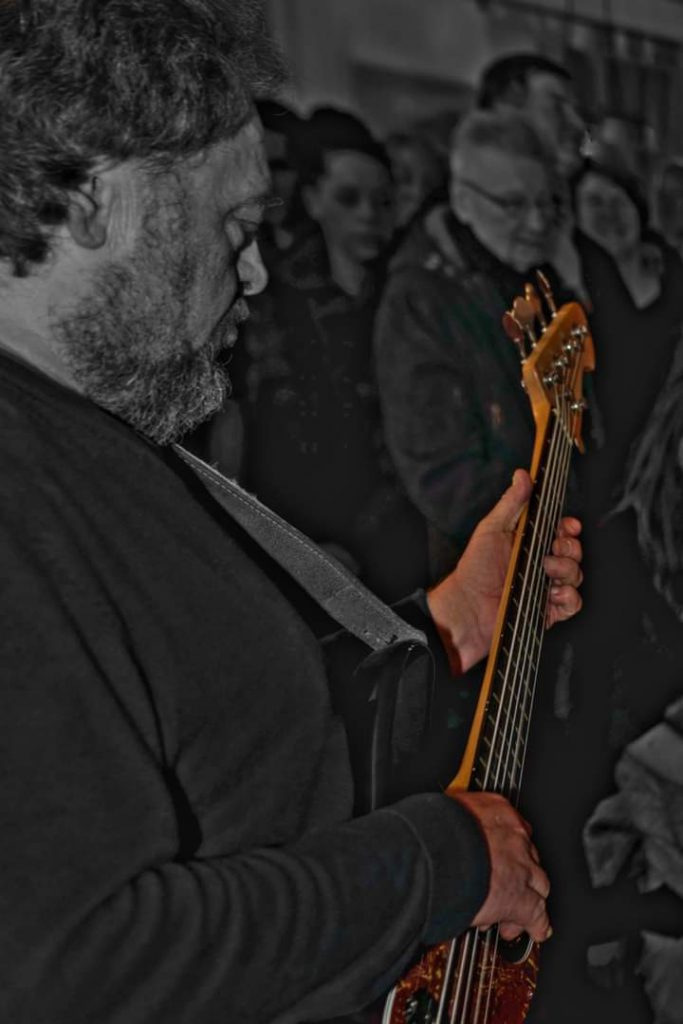
Wie ich heute erfahren habe, ist Günter Wiederer verstorben. Am 15.11. 2019 haben wir im Naturfreundehaus Sennfeld anlässlich seiner Vernissage mit „Jenny and the cool men“ aufgespielt. Rip Günter, du fehlst.
Günter Wiederer am Bass
Cookie-Zustimmung verwalten
Wir verwenden Cookies, um unsere Website und unseren Service zu optimieren.
Funktional
Immer aktiv
Die technische Speicherung oder der Zugang ist unbedingt erforderlich für den rechtmäßigen Zweck, die Nutzung eines bestimmten Dienstes zu ermöglichen, der vom Teilnehmer oder Nutzer ausdrücklich gewünscht wird, oder für den alleinigen Zweck, die Übertragung einer Nachricht über ein elektronisches Kommunikationsnetz durchzuführen.
Vorlieben
Die technische Speicherung oder der Zugriff ist für den rechtmäßigen Zweck der Speicherung von Präferenzen erforderlich, die nicht vom Abonnenten oder Benutzer angefordert wurden.
Statistiken
Die technische Speicherung oder der Zugriff, der ausschließlich zu statistischen Zwecken erfolgt.Die technische Speicherung oder der Zugriff, der ausschließlich zu anonymen statistischen Zwecken verwendet wird. Ohne eine Vorladung, die freiwillige Zustimmung deines Internetdienstanbieters oder zusätzliche Aufzeichnungen von Dritten können die zu diesem Zweck gespeicherten oder abgerufenen Informationen allein in der Regel nicht dazu verwendet werden, dich zu identifizieren.
Marketing
Die technische Speicherung oder der Zugriff ist erforderlich, um Nutzerprofile zu erstellen, um Werbung zu versenden oder um den Nutzer auf einer Website oder über mehrere Websites hinweg zu ähnlichen Marketingzwecken zu verfolgen.